Turn Your Institutional Strategic Plan Into Visible Progress
Elate gives leaders one clear view of strategic plan progress, what’s at risk, and where to focus across departments and campuses.
.avif)

Trusted by Leading Higher Education Institutions






From Strategic Plan to Institutional Execution.
Most institutions already have a strategic plan. The challenge is sustaining visibility once work moves across departments, campuses, committees, and administrative units.
Updates are collected differently. Progress gets rebuilt for every leadership meeting. Risks surface late. Elate gives strategy teams a consistent way to manage the operating rhythm around the plan.
How Elate Helps Institutions Run their Plan
Elate gives teams a consistent way to structure, update, and review strategic plan execution across the institution.
Plan
Turn institutional priorities into outcomes, initiatives, owners, and measures.
Execute
Collect consistent updates, surface risks, and keep work connected to institutional priorities.
Review
Give presidents, cabinets, trustees, and senior leaders a reliable view of progress, decisions, and where support is needed.


Start With the Plan You Already Have
Bring in existing plans from PDFs, decks, or spreadsheets. Elate turns them into a structured framework of priorities, outcomes, initiatives, owners, and measures, so your team can move from planning document to execution rhythm without starting from scratch.
Book a DemoKeep Work Visible Across Departments and Campuses
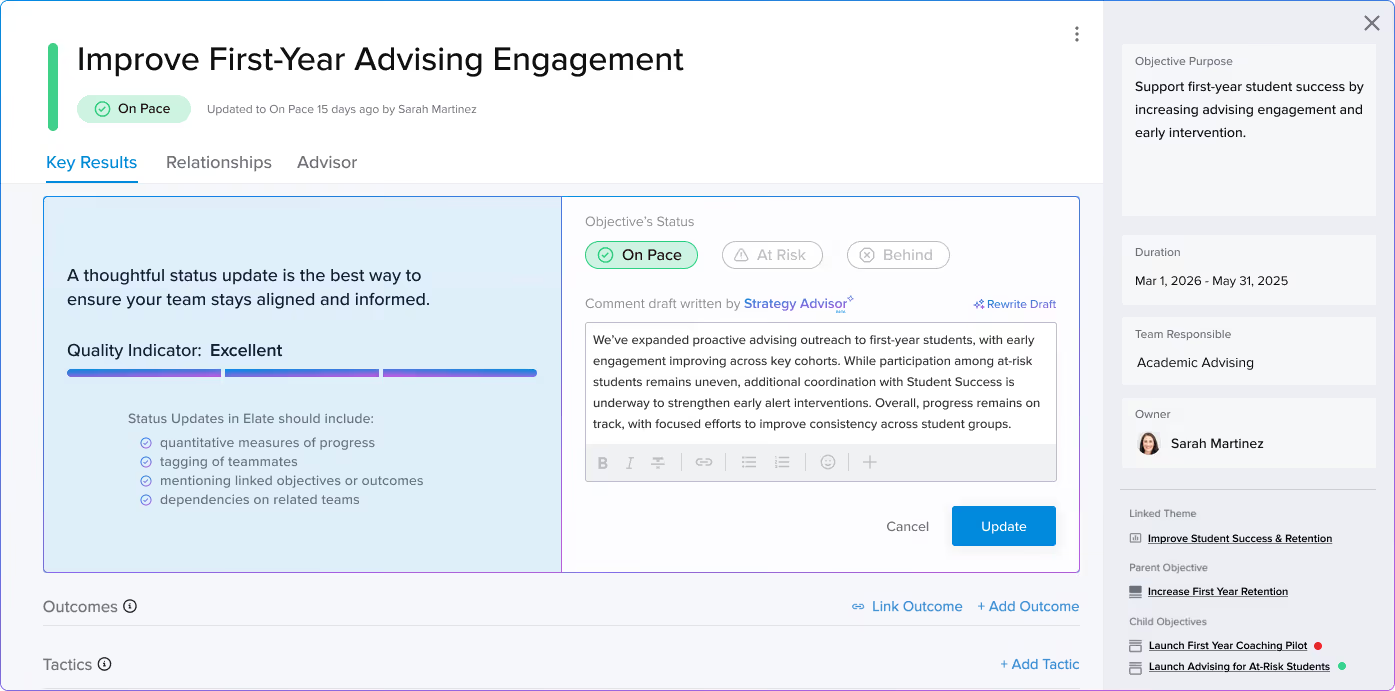
Progress should not depend on one person chasing updates across every unit. Elate standardizes how initiatives are owned, updated, reviewed, and connected back to institutional priorities, so leaders can see where work is moving, where it is stuck, and where support is needed.

Make Leadership and Board Reporting Easier
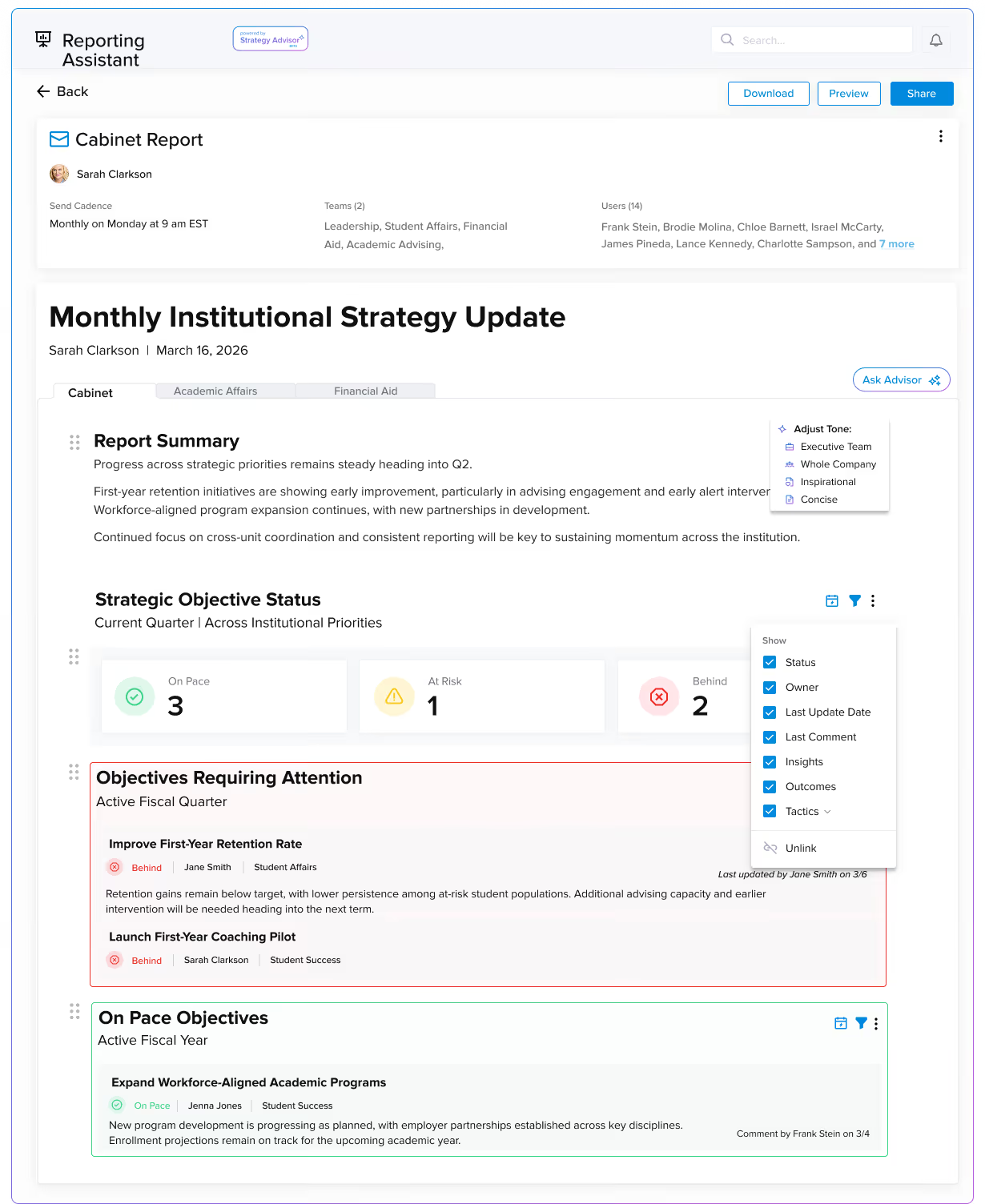
Preparing updates for cabinet, trustees, and senior leadership should not require rebuilding the story from scratch. Elate turns distributed updates into consistent, leadership-ready views before each review.
So meetings can focus on decisions, risks, and progress — not interpreting inconsistent reports.
What Changes When Strategy Has a Rhythm
When updates, risks, and ownership are managed consistently, institutions spend less time rebuilding reports and more time focusing leadership attention where it matters.
Less time chasing updates
Shift effort from formatting to decision-making
More consistency across units
Comparable reporting across colleges and departments
Clearer ownership and accountability
Defined responsibility for strategic initiatives across the institution
More focused leadership discussions
Spend time on what needs attention, not interpretation
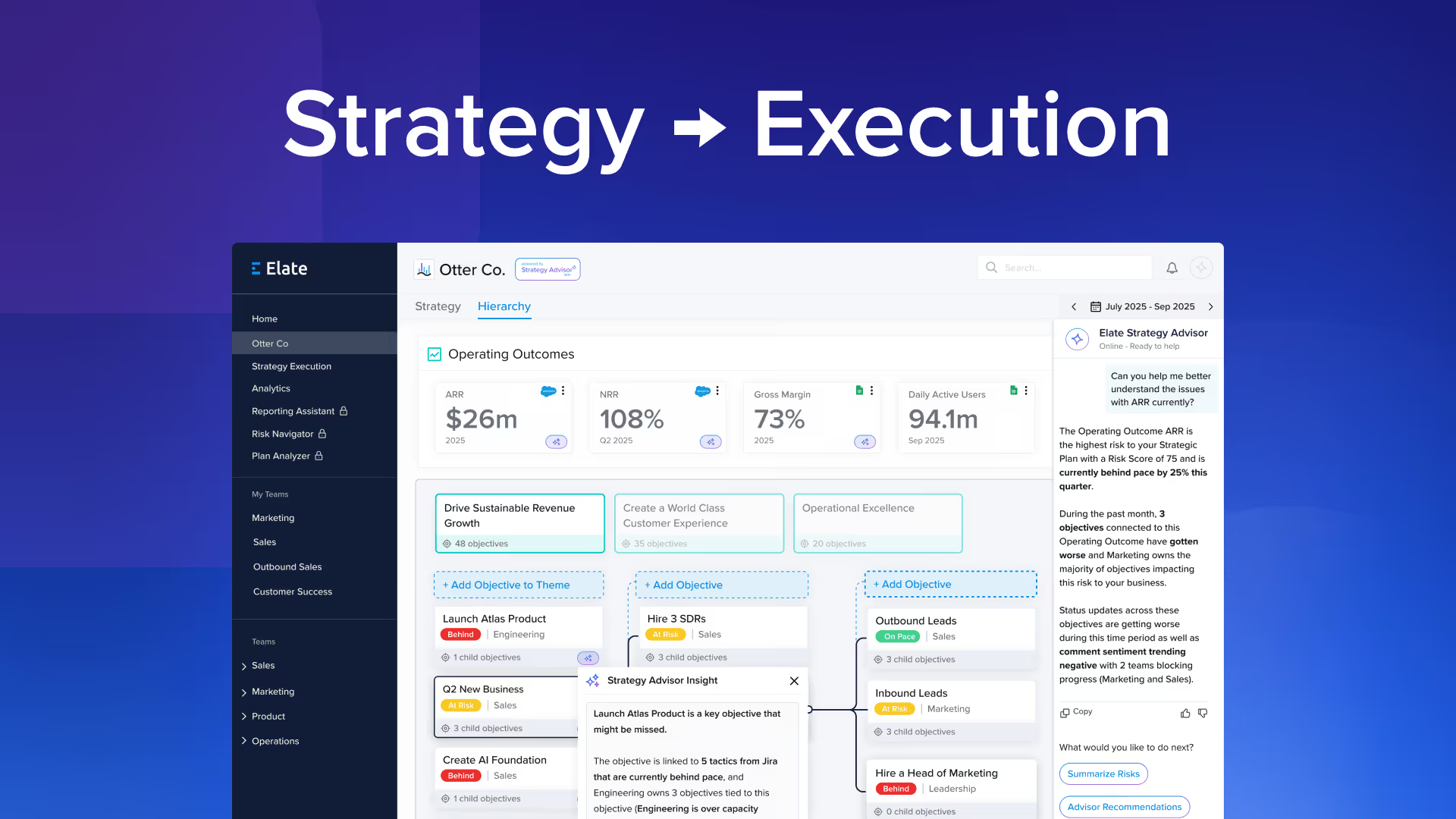
See How Higher Education Teams Run Strategy in Elate (in 2 minutes)
How Universities are Running Strategy Today
Hear how higher education leaders are using Elate to create shared visibility and stronger execution across their institutions.
"Previously, strategic planning meant spreadsheets and PowerPoints once a year. Now, we’re creating a shared language around what matters—where everyone can see how their work contributes to the university’s goals."

When I started, we were using Excel and binders — literal binders — for our strategic plan. It just wasn’t working. With Elate, everything is transparent. Everyone can see what others are working on, and we finally feel connected to the work.

Hear directly from higher education leaders using Elate
Resources for Higher Education Strategy Leaders
Practical guidance on aligning strategy, reporting progress, and driving execution across institutions
Higher Ed Strategy Execution: A Practical Playbook
A step-by-step guide on turning scattered updates into board-ready clarity.

How UNC Pembroke Turned a Five-Year Plan Into a Live System
When the Board of Trustees approves a five-year plan with real metrics, a spreadsheet isn't enough. Here's how UNCP built a system to run it.
How KIPP Atlanta Improved Strategic Alignment
Learn how KIPP Atlanta replaced spreadsheets with a system for visibility, accountability, and execution.
Your strategic plan should be something you can actually run
It should support ongoing alignment, visibility, and decision-making across the institution. Elate helps make that possible.

Frequently Asked Questions About Strategy Execution in Higher Education
Strategy execution in higher education is the process of turning an institutional strategic plan into coordinated action across colleges, departments, and administrative units. It involves aligning priorities, tracking progress consistently, and ensuring leadership has clear visibility into outcomes.
Strategic plans often fall short not because of poor strategy, but because of inconsistent execution. Progress is tracked differently across units, reporting is rebuilt for each leadership meeting, and there is no shared system for maintaining alignment over time.
Elate helps universities turn strategic plans into a structured system by aligning goals across units, standardizing how progress is updated, and delivering consistent reporting for leadership and boards. This reduces manual effort while improving visibility and accountability.
Yes. Elate is designed to work with existing plans, whether they are in PDFs, spreadsheets, or presentations. It uses AI to translate those plans into a structured framework without requiring institutions to start from scratch.
Elate standardizes how updates are collected and reviewed, ensuring that leadership and boards receive consistent, comparable information. This allows meetings to focus on decisions and progress rather than interpreting inconsistent reports.
Common challenges include inconsistent reporting across units, lack of visibility into progress, heavy reliance on manual processes, and difficulty maintaining alignment over time - especially in large, decentralized institutions.
Yes. Elate integrates with a variety of tools commonly used in higher education, including spreadsheets, business intelligence platforms, and collaboration tools, allowing institutions to build on their existing workflows.