










Quick answer: A community college strategic plan progress report should summarize progress by strategic priority, connect KPIs with owner narrative, show risks and blockers, and make it clear what leadership or the board needs to discuss next.
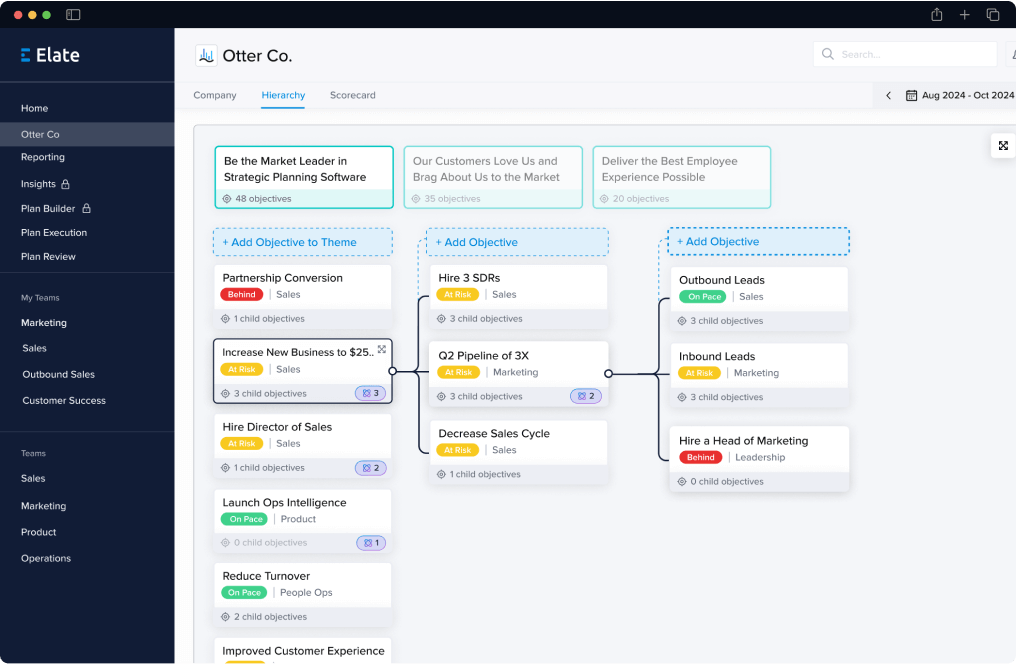
Where Elate fits: Elate helps community colleges connect strategic priorities, owners, initiatives, KPI snapshots, evidence, risks, and leadership-ready reports in one operating rhythm. Teams can prepare cabinet, board, accreditation, or institutional effectiveness updates without rebuilding the progress story from spreadsheets and slide decks each cycle.
Use this page if: your community college needs a practical template for annual progress reporting, board updates, cabinet reviews, institutional effectiveness reporting, or summer planning.
Who this is for: community college presidents, Chiefs of Staff, strategy and planning leaders, institutional effectiveness teams, academic affairs leaders, student success leaders, and board liaisons.
Higher education operating reality: Community college progress reporting has to connect strategic priorities to the realities leaders actually manage: enrollment, retention, workforce pathways, student success, fiscal sustainability, accreditation evidence, and community impact.
What a community college strategic plan progress report should include
Community college progress reporting needs to be clear enough for trustees and leadership, but practical enough for the teams doing the work. The best reports avoid long activity summaries and focus on progress, evidence, ownership, risk, and next action.
Community college progress report template
1. Executive progress summary
- Overall plan status.
- Major progress since the last report.
- Top risks, blockers, or resource needs.
- Decisions needed from leadership or the board.
2. Strategic priority updates
- Priority or goal name.
- Owner or accountable executive.
- Status: on track, at risk, off track, complete, or paused.
- Brief narrative update.
- Evidence or KPI snapshot.
- Next step before the next review.
3. Student success and completion metrics
- Retention, persistence, completion, transfer, or credential attainment metrics.
- Owner explanation of movement.
- Connection to current initiatives and interventions.
4. Enrollment and access metrics
- Enrollment trends by population, program, campus, modality, or term where relevant.
- Application, registration, or yield context.
- Risks that require leadership attention.
5. Workforce and community impact
- Workforce program progress.
- Employer partnership updates.
- Program launch or expansion status.
- Outcome evidence tied to regional needs.
6. Fiscal and operational sustainability
- Budget-sensitive initiatives.
- Operational capacity risks.
- Technology, staffing, facilities, or process improvements tied to the strategic plan.
How to make the report board-ready
A board-ready progress report should make the status clear quickly. Start with a short summary, then organize by priority. Use consistent status language, show selected metrics, and explain why the metric changed. Do not include every internal project detail. Keep the board focused on progress, risk, and strategic direction.
What community colleges often get wrong
The most common mistake is reporting activity instead of strategic progress. A list of programs, meetings, and projects may show effort, but it does not tell leadership whether the strategic plan is working.
A stronger report connects each update to the plan: what priority does this support, what evidence changed, who owns the next step, and what needs attention?
How Elate helps community colleges report strategic plan progress
Elate helps community colleges maintain the operating record behind the progress report. Strategic priorities, initiatives, owners, KPI snapshots, risks, and updates stay connected throughout the cycle. When cabinet, board, or institutional effectiveness reporting is due, the team can prepare a clear report from current information instead of rebuilding it manually.
Elate works alongside existing systems. SIS, BI, finance, institutional effectiveness, and departmental tools can remain where detailed data lives. Elate connects the selected evidence to strategy, ownership, cadence, and leadership reporting.
Related resources
- Summer Strategic Planning Checklist for Higher Education
- Fall Strategy Execution Launch Checklist for Colleges and Universities
- Cabinet Strategic Plan Update Template for Higher Education
- Community College Strategic Plan Progress Report Template
- Higher Education Strategy Execution Software
- Higher Ed Strategy Execution Playbook
- Higher Education Operating Guide
- Annual Strategic Plan Review Software for Higher Education
- Strategic Plan Roll-Forward Checklist for Higher Education
- Annual Strategic Plan Progress Report Template for University Trustees
- Higher Education Strategic Plan Reporting Software
- Institutional Effectiveness Strategic Plan Progress Software
- Higher Education Strategic Plan Dashboard
- Elate Platform
- Request a Product Demo
FAQ
What should a community college strategic plan progress report include?
It should include strategic priorities, status, owners, narrative updates, selected KPIs, evidence, risks, decisions needed, and follow-ups.
How often should a community college report strategic plan progress?
Many community colleges use quarterly leadership or board updates, with annual summaries for institutional effectiveness, accreditation, and planning cycles.
What KPIs should community colleges include in strategic plan progress reports?
Common KPI areas include enrollment, retention, completion, transfer, workforce pathways, student success, equity, financial sustainability, and operational effectiveness.
How does Elate help community colleges with strategic plan reporting?
Elate connects priorities, owners, updates, evidence, KPIs, risks, and reporting cadence so progress reports can be created from the same operating rhythm leadership already reviews.